Monaco Energy Boat Challenge

Edit Content

Team Energy class 2026

#Energyboatchallenge

participants 2026

Edit Content

ADRIA RACING

Association of Applied Technical Sciences

adria

TEAM

Our team is composed of highly motivated students from a wide range of technical disciplines, including mechanical engineering, electronics, electrical engineering, computer science, naval architecture, and design. This multidisciplinary structure enables a comprehensive and integrated approach to complex engineering challenges, combining technical performance, functionality, and visual identity. The team operates with the continuous support of experienced mentors from the respective fields, who provide technical guidance, ensure adherence to professional standards, and support knowledge transfer from academia to real-world application.

Project

Our project focuses on an electric racing boat developed by students as a platform for innovation in sustainable maritime engineering. Vilson is a student-designed and built electric vessel that combines lightweight construction and an efficient electric propulsion system to achieve high performance with zero emissions. This year, our development efforts are focused on reducing overall weight, improving handling and manoeuvrability, and increasing efficiency. In addition, we are integrating solar panels to enhance energy utilisation on our boat. Through continuous iteration and testing, Vilson represents our commitment to innovation, sustainability, and practical engineering excellence.

Edit Content

CAMBRIDGE UNIVERSITY RIVIERA RACING

Cambridge University

CAMBRIDGE

TEAM

Riviera Racing is a University of Cambridge student community united by a drive for sustainable change. Now in our third year at the Monaco Energy Boat Challenge, we have evolved from a startup project into a performance-focused racing team. We are a collaborative group of engineers, designers and project leaders proving that clean maritime tech can be fast and efficient. By testing our designs in a fast paced, real-world environment, we bridge the gap between academia and real-world innovation, fostering a place where passionate students can develop the skills needed to create the future of renewable energy.

Project

Our 2026 project marks our transition from initial builds to a performance-focused racing platform. First, we are developing custom propeller geometries using computational design software to improve propulsion efficiency. Second, the boat features space-grade solar panels integrated with an MPPT converter system to optimise energy harvesting and power management. Finally, we have overhauled our software and electronics to increase modularity, reducing external connections by using swappable microcontroller boards. We are also building a digital twin of the boat to assist the pilot with real-time decision-making. Our objective for 2026 is to field a reliable, solar-electric catamaran that demonstrates how engineering optimisation can drive sustainable maritime innovation.

Edit Content

CAN-YU

York University
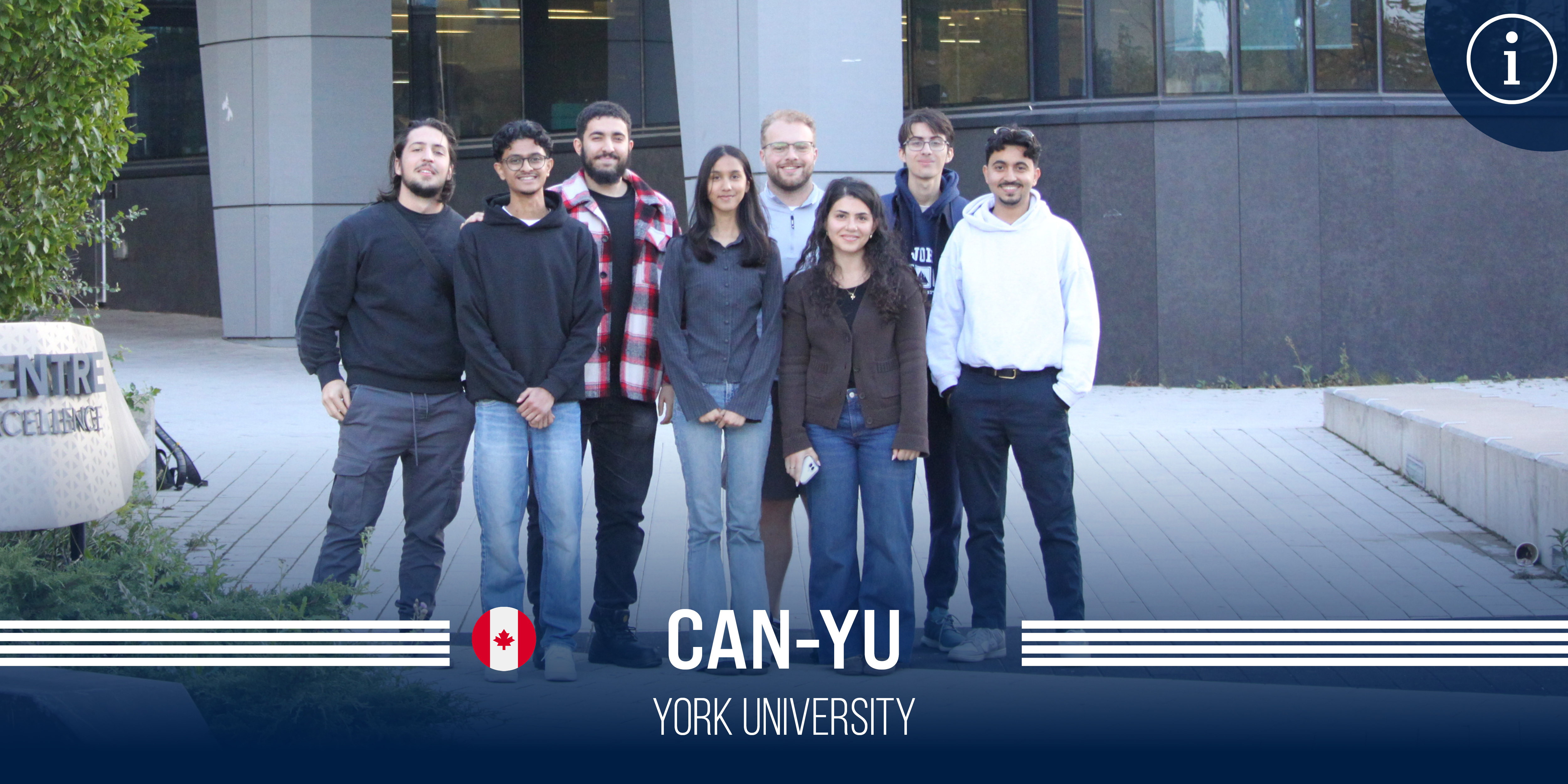
Group photo outside engineering building.

TEAM

CAN-YU is a team comprised of 1st- to 4th-year mechanical and electrical engineers and assisted by business students. Our backgrounds span from automotive Tier 1 suppliers to leading space systems research. We embody the vision and initiatives of the Lassonde School of Engineering and York University and are using our diverse backgrounds to push the limits of what we are capable of. Beyond performance, our mission is to advance clean marine and yachting technology through detailed design, data-driven testing, and collaboration. We approach every challenge with precision, accountability, and a commitment to pushing boundaries in engineering and sustainability.

Project

Our project focus is developing a baseline for future competition, we achieve this using a lightweight, modular, and scalable design for the MEBC Energy Class. Our innovations lie in combining advanced composite materials with advanced geometries of metals to increase stiffness-to-weight ratios which contribute to a high-efficiency design and operation. As a rookie team, our goal is to win the Rookie of the Year award and prove that we are a competitive team. Through this project, we aim to not only compete but set a foundation for sustainable innovation and long-term excellence in electric marine design.
Edit Content

DTU FLOAT FORWARD

Danmarks Tekniske Universitet
dtu

TEAM

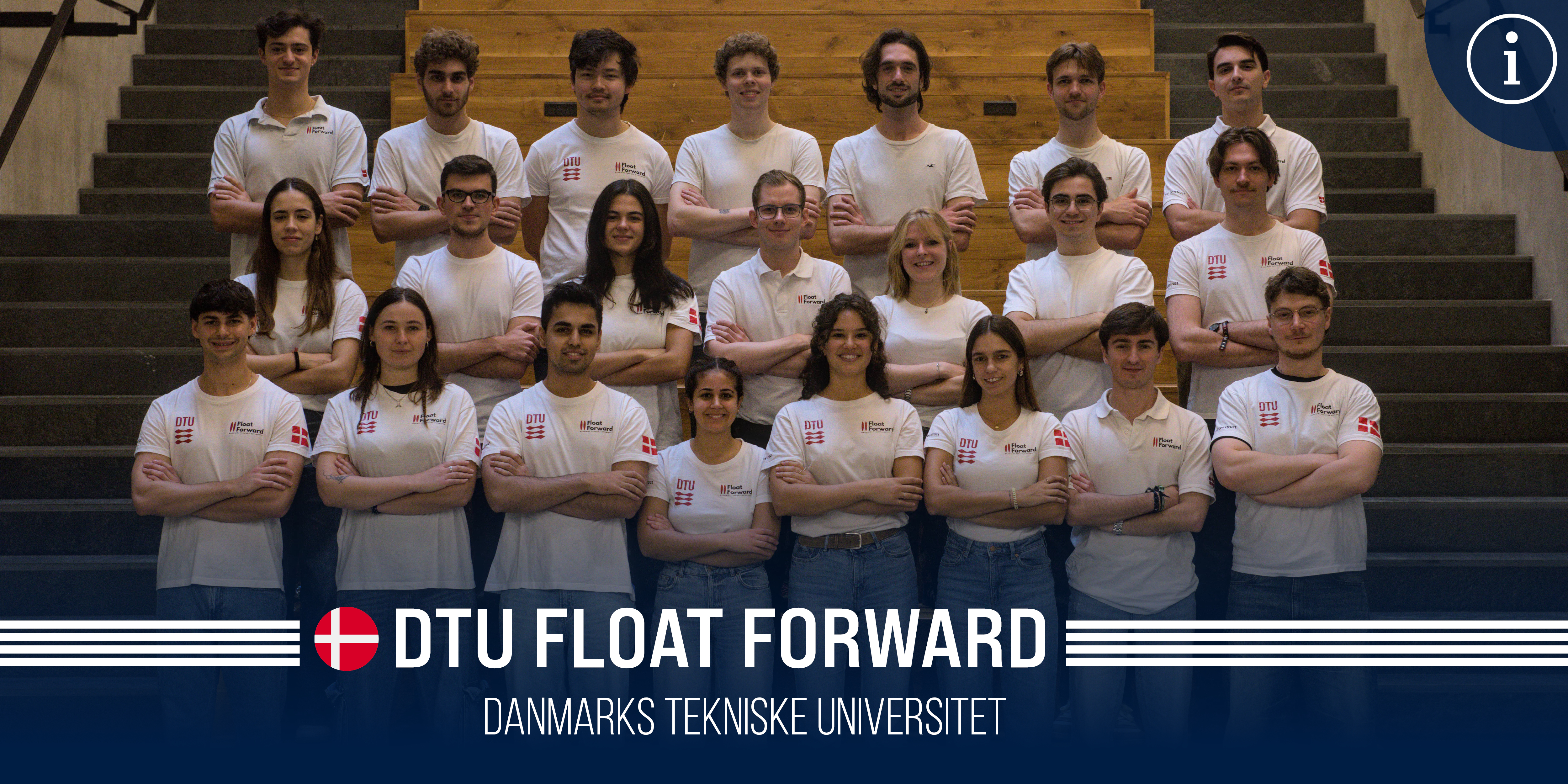
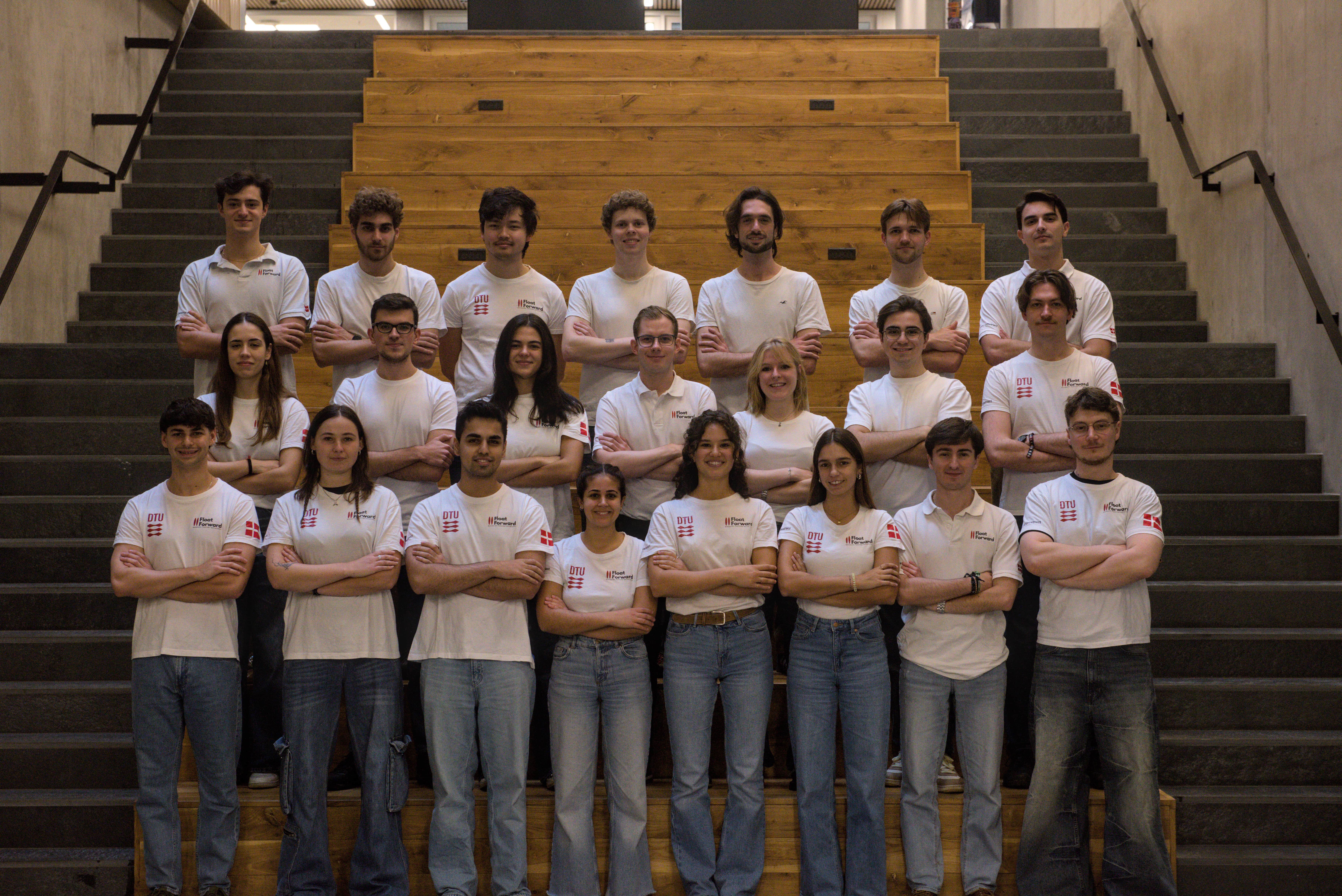
DTU Float Forward is a student-led team from the Technical University of Denmark dedicated to advancing clean maritime innovation. When the team was created, it’s main goal was the advancement of an innovative propulsion system. After the successful debut and having secured the Rookie of The Year Award, we are focused on building our own custom propulsion system and upgrading our powertrain system.

Project

We are a second-year team from Denmarks Technical University. We began this project with the goal of developing an innovative highly efficient propulsion system. After a very successful debut in MEBC 2025, we are developing a custom propulsion system, three times more powerful, and optimising the design of the cockpit.
Edit Content

electra tide

EIGSI École d’ingénieurs généralistes, La Rochelle
electra

TEAM

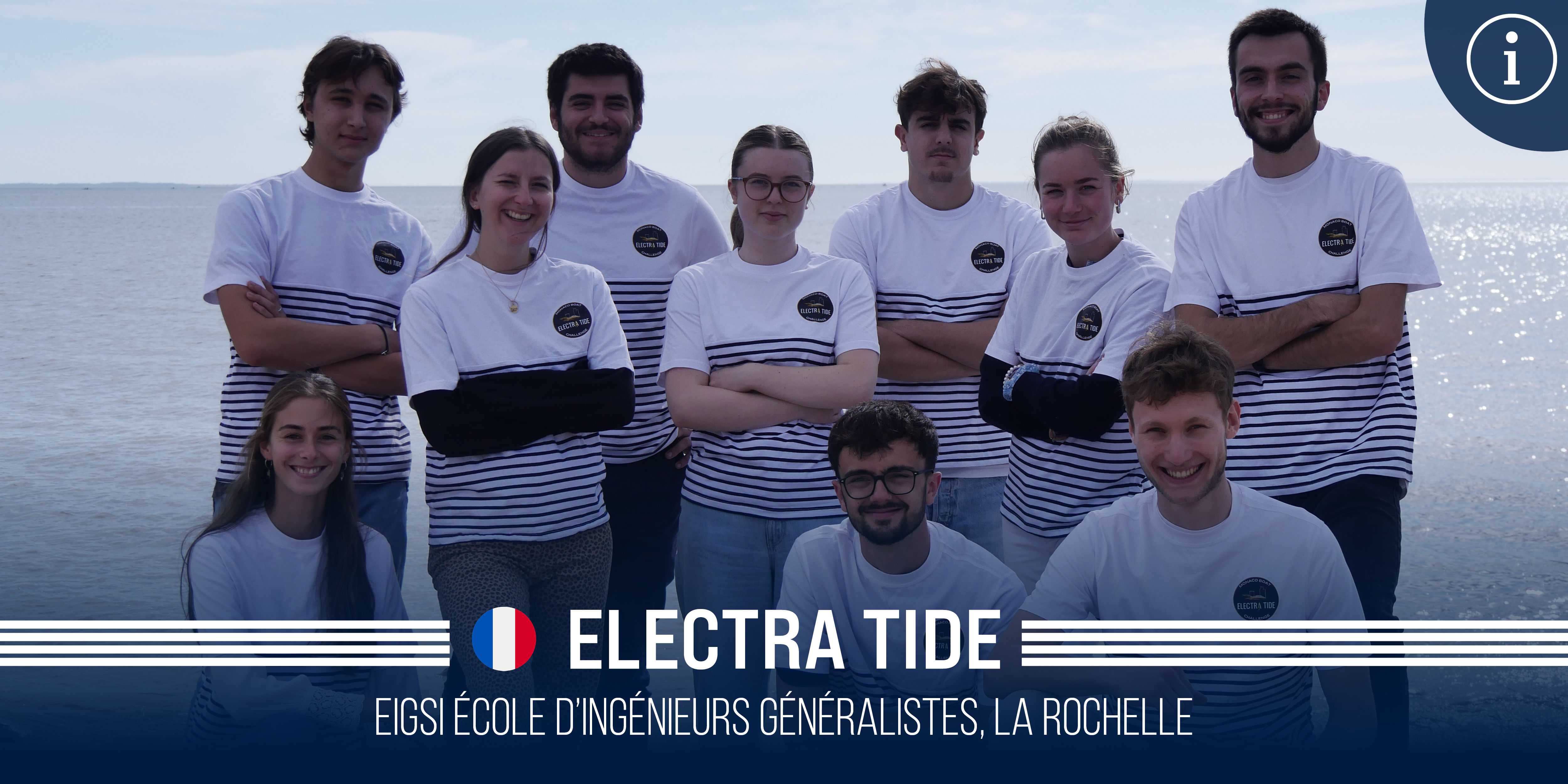
Electra Tide is a student club from EIGSI La Rochelle, an engineering school renowned for connectivity to the ocean. It brings together around fifteen students that are passionate about boating, engineering, and technologies dedicated to the maritime energy transition. For our first participation in the Monaco Energy Boat Challenge, we aim to design an innovative, responsible, and highly efficient electric catamaran. Based in La Rochelle, we are proud to represent an area strongly linked to maritime innovation. Our ambition is to develop the project year after year, continuously improving its performance, energy efficiency, and technical solutions to build a long‑lasting and competitive concept.

Project

Our project reflects a responsible engineering approach, for our first participation in the Monaco Energy Boat Challenge, we designed an electric catamaran that combines energy efficiency, reliability, and sustainable design. Our innovation is driven by a philosophy centred on reusing materials, optimising existing technologies, and collaborating with local partners. The central pod, inspired by an ultra‑efficient prototype developed during the Eco‑Shell Marathon, features a streamlined shape that reduces drag and enhances overall performance. The vessel relies on a lightweight aluminium frame, while its propulsion system is powered by repurposed batteries. Through this project, we aim to show that a simple, local, and collaborative approach can meet the challenges of maritime energy transition and the technical expectations of an international competition, while establishing a solid foundation for future development.
Edit Content

ELETTRA UNIGE

Università di Genova
8. ELETTRA UNIGE

TEAM

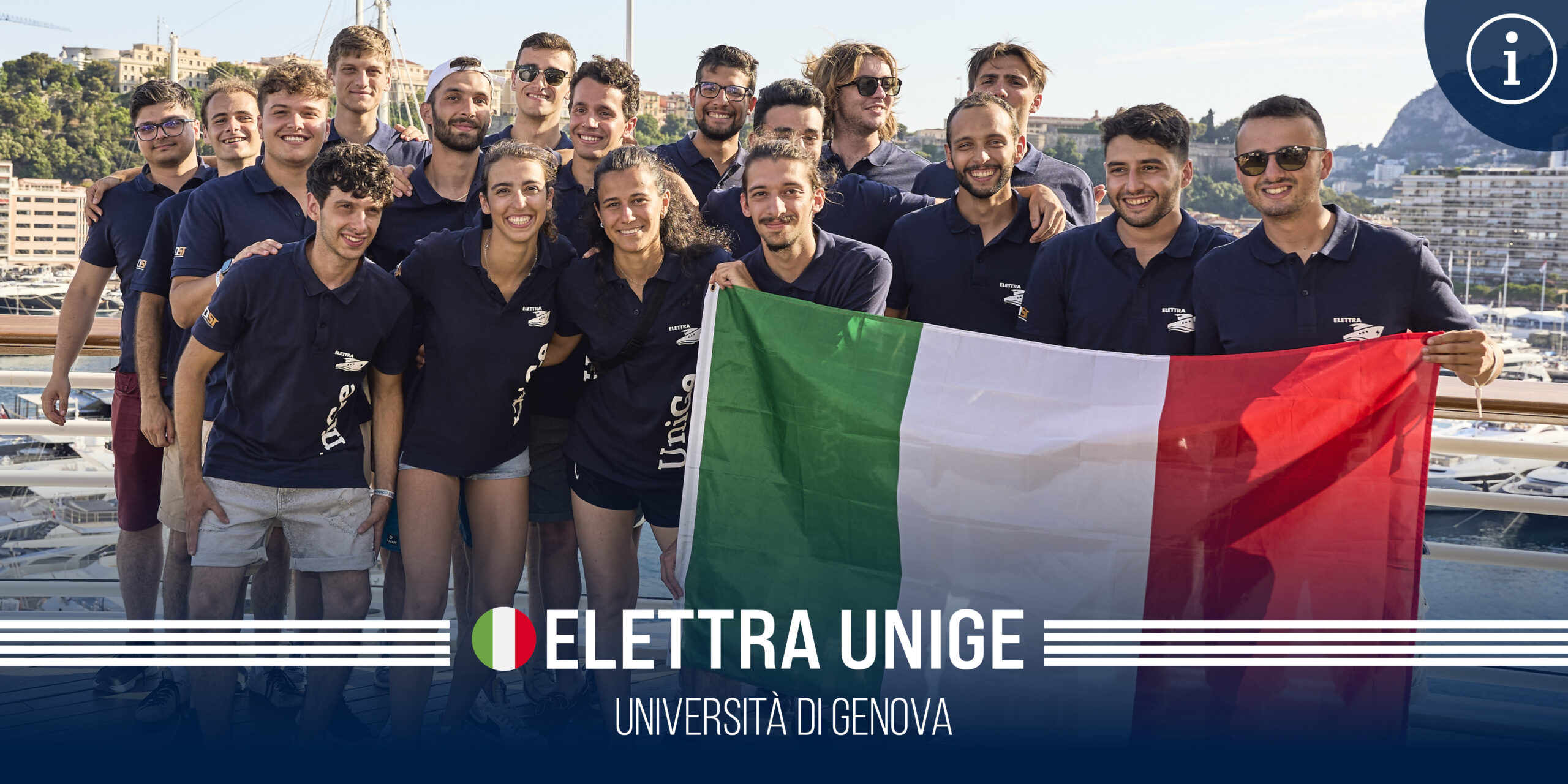
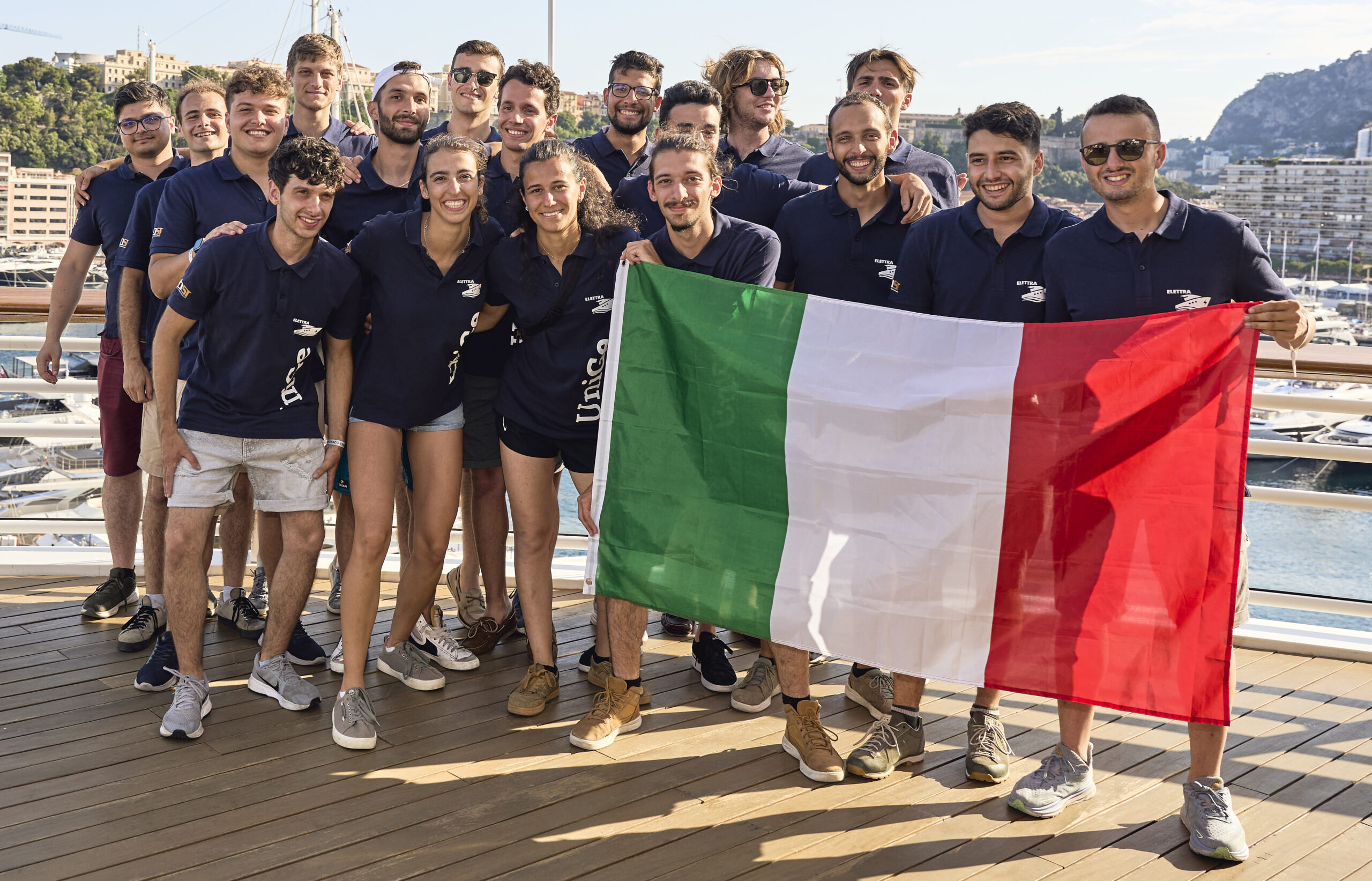
The team is composed of Bachelor, Master, and PhD students from the Polytechnical School of the University of Genoa, specifically from the DITEN Department, which includes Electrical, Electronic, Naval Architecture and Marine Engineering programs. The group is supervised by researchers and professors from the same department, ensuring strong continuity between academic teaching and scientific research. The team has already participated in three competitions. The main objective is to foster a genuinely multidisciplinary collaboration, creating an active connection between the research activities carried out by young researchers and the educational path of students.

Project

The project centres on designing an innovative electric catamaran developed by a team of students committed to creating low-environmental-impact solutions. Their goal is to bring meaningful innovation to nautical engineering, particularly in the field of electric marine systems, by exploring hybrid electric powertrain architectures that integrate hydrogen technologies. Alongside the propulsion system, the team develops high-performance, custom components such as 3D-printed propellers, combining advanced manufacturing with cutting-edge design. Through this approach, the project not only contributes to the advancement of green marine engineering but also provides students with hands-on experience in solving complex, real-world challenges through design, experimentation, and multidisciplinary teamwork.
Edit Content

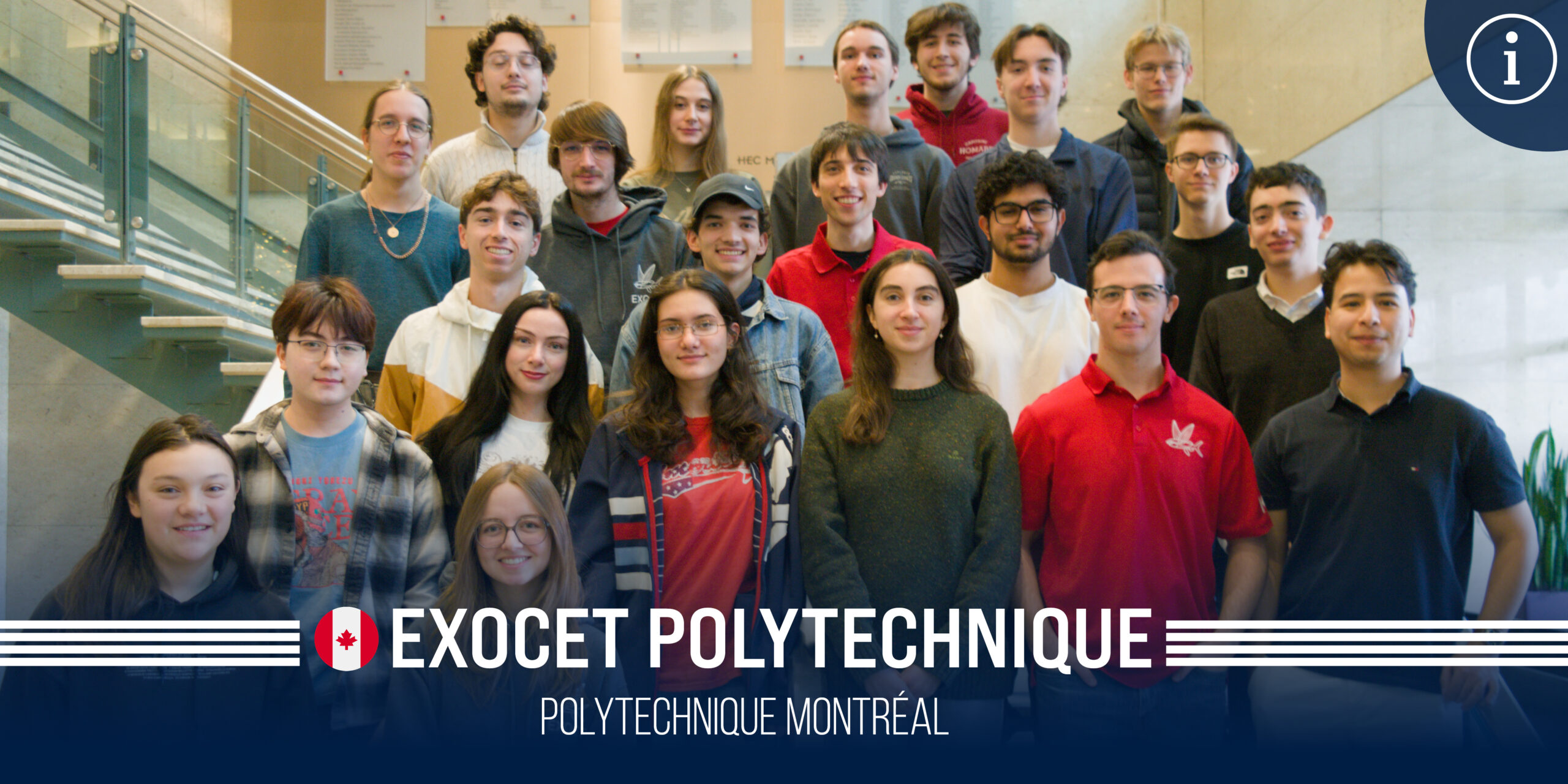
EXOCET POLYTECHNIQUE MONTREAL

Polytechnique Montréal
exocet

TEAM

Exocet is a technical student society at Polytechnique Montréal whose mission is to design and build a renewable-energy-powered catamaran. After competing in the Monaco Energy Boat Challenge 2022 with a fully electric vessel, Exocet chose to take on a new challenge, the development of a hydrogen-powered catamaran. Four years of development later, it’s new and improved version is moving from Canada to Monaco to compete in the MEBC 2026.

Project

Since Exocet’s last attempt at competing in the MEBC2026, improvements have been made including: a complete hydrogen system re-design and re-test to enhance safety; a secondary energy source added to assist the hydrogen system in higher demand cases (Lithium-Phosphate battery); a lighter structure/cockpit made of aluminium, fiberglass and wood; onboard controls and telemetry systems re-designed to satisfy the technical regulations; and enhanced manoeuvrability with hydraulic steering instead of mechanical. The objectives include satisfaction of all the technical regulations and gaining a high placement in the endurance race.
Edit Content

HAINAN UNIVERSITY

Hainan University
a. Hainan University

TEAM

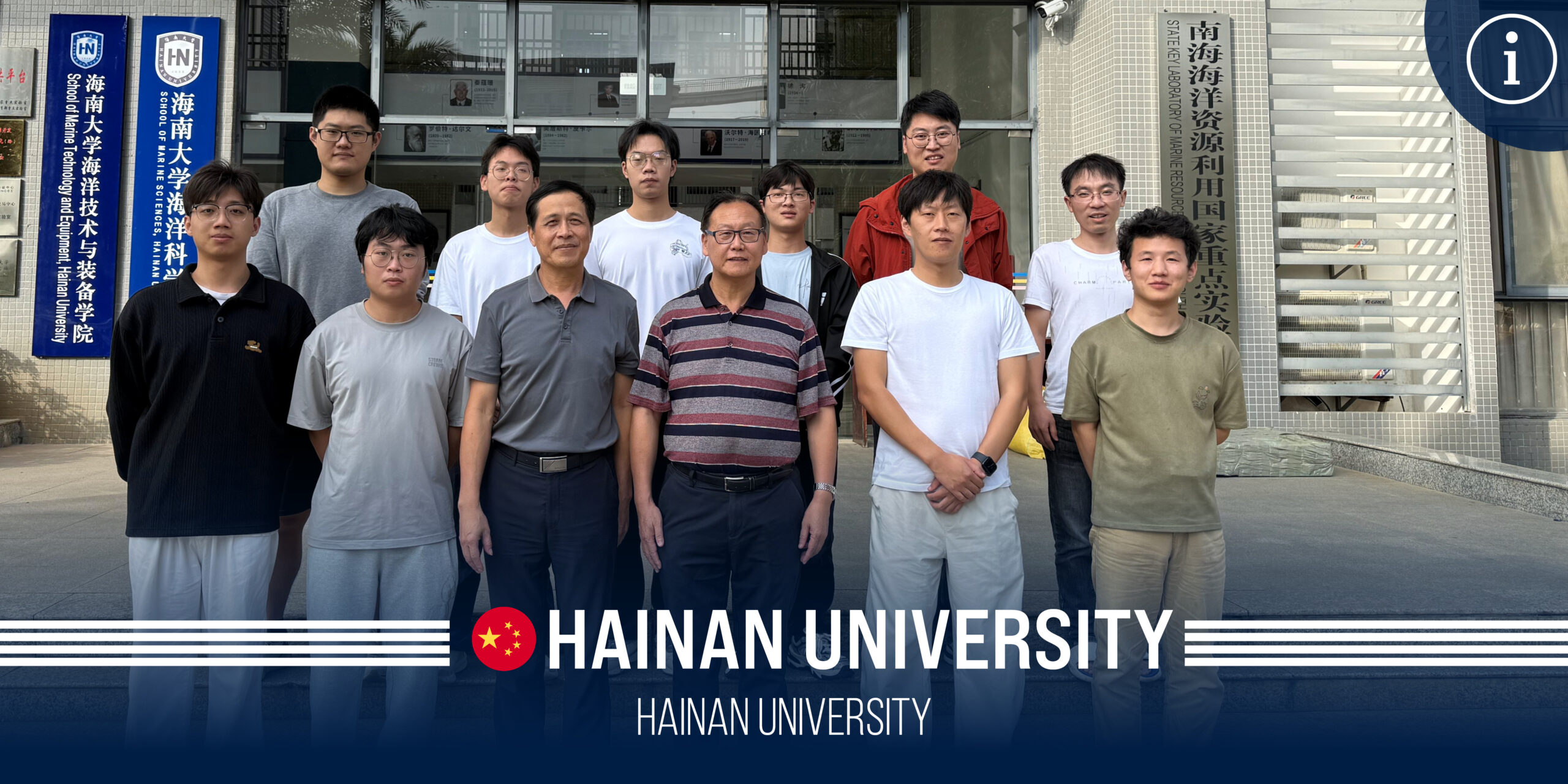
The team is oriented toward the national strategy for building China into a maritime power and the development needs of the Hainan Free Trade Port, with a research focus on key challenges in marine technology and equipment. Relying on the National Key Laboratory of Tropical Marine Engineering Materials and Evaluation, the team integrates multidisciplinary expertise and has established a well-structured and highly competitive research group. The team’s research interests include marine engineering and technology, intelligent equipment, and instrumentation, with a strong emphasis on innovation and engineering applications. The team is committed to providing technical support for marine economic development and the Belt and Road Initiative.

Project

Our project’s main innovation lies in integrating lithium batteries and solar energy as the core onboard power sources, in line with sustainable engineering principles. Through fluid dynamics analysis and structural topology optimisation, we achieved an ultra-lightweight hull while maintaining sufficient structural rigidity, improving overall performance and stability. An efficient onboard power management system was developed to coordinate energy generation from solar photovoltaic panels and energy storage in lithium batteries, ensuring optimal power distribution to the electric propulsion system. In addition, a cost-effective, high-performance shock absorption mechanism enhances reliability and stability under varying sea conditions. Our goal is to advance sustainable marine propulsion technologies, demonstrating the practical potential of hybrid propulsion systems and setting a benchmark for energy-efficient, high-performance electric vessels.
Edit Content

HYDROGADZ

École Nationale Supérieure d’Arts et Métiers

hydrogadz

TEAM

The team is composed of 18 first-year Masters students at ENSAM (École Nationale Supérieure d’Arts et Métiers). With the support of five faculty members, we are ready to take on the challenge ahead and to build on the work and efforts of our predecessors.

Project

This year, we are placing particular emphasis on improving our propellers in order to make our contra-rotating toroidal propellers fully operational. Our objective is twofold: to achieve higher performance than in previous years with a more reliable boat, and to compete in the Innovation Tech Talk Prize with our new propeller design.
Edit Content

HYDROS TEAM UNIVERSITAS INDONESIA

University of Indonesia
12. HYDROS TEAM UNIVERSITAS INDONESIA

TEAM

Hydros Team Universitas Indonesia is a student-led boat competition and maritime innovation team from the University of Indonesia, established in 2016 and based at the Faculty of Engineering. We focus on the design, construction, and development of energy-efficient and environmentally friendly boats as a platform for applied research and interdisciplinary collaboration. Through active participation in international competitions such as the Monaco Energy Boat Challenge, we aim to contribute to the advancement of sustainable maritime technology while fostering innovation, education, and global networking among our members.

Project

This year, the project focuses on advancing custom propulsion technology, system efficiency, and operational safety. The key innovation is a fully custom designed propulsion system comprising a high-speed BLDC motor, a custom contra-rotating propeller, and a lightweight carbon-fibre outboard structure. Unlike last year’s design, which relied on commercial outboard systems, the entire propulsion system is now developed using a patented approach, enabling improved performance control, integration, and weight optimisation. The contra-rotating propeller improves thrust efficiency, reduces torque losses, and enhances stability. For safety, a battery-critical haptic pilot awareness system provides tactile seat vibrations during critical battery conditions, complementing telemetry systems to improve pilot awareness.
Edit Content

HYDROVINCI

École Supérieure d’Ingénieurs Léonard de Vinci
hydrovinci

TEAM

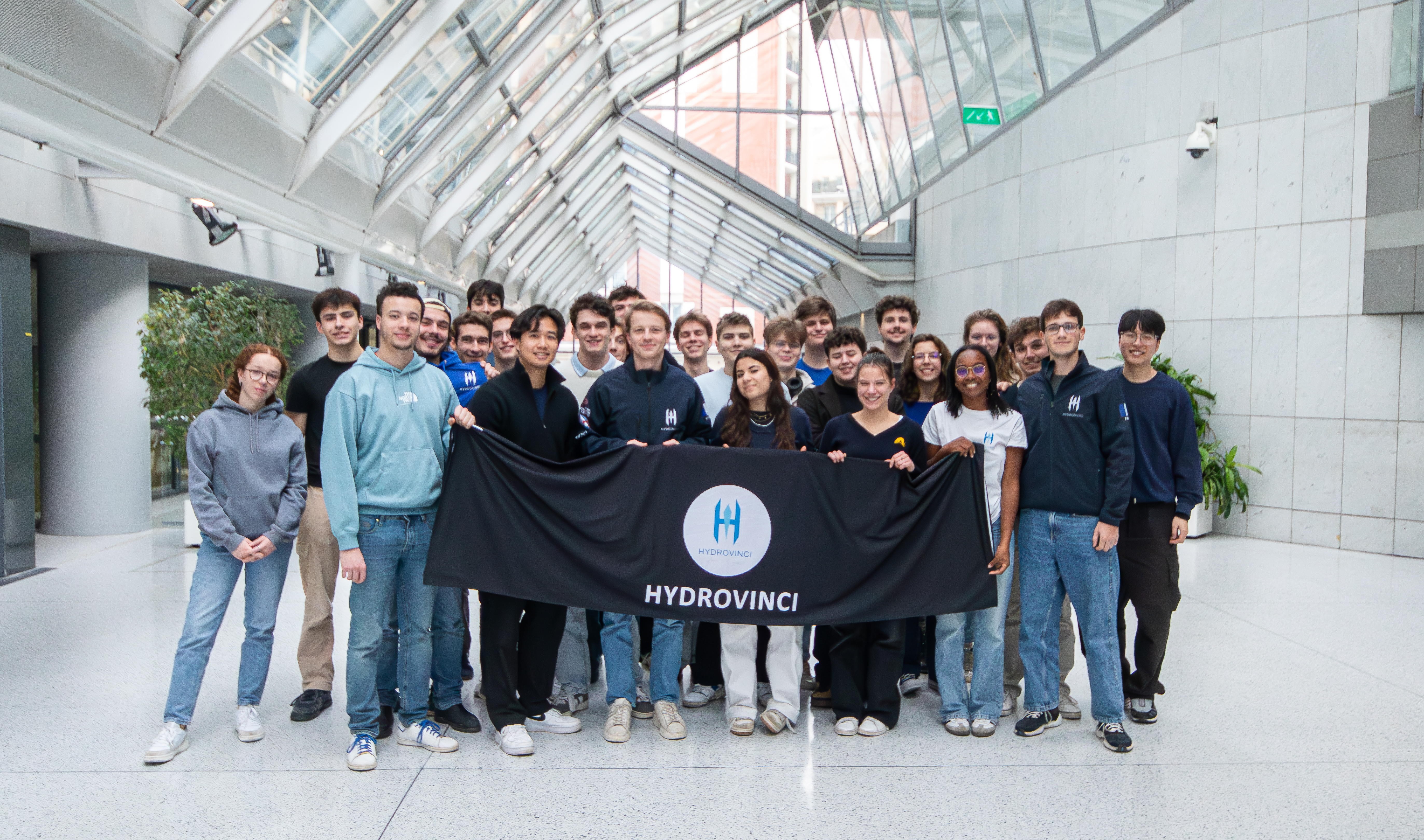
HydroVinci is the naval engineering student association of the Leonardo da Vinci University Campus, located in the heart of La Défense, France. Founded in 2017 by engineering students, HydroVinci now brings together nearly 70 passionate members from multidisciplinary backgrounds including engineering, management, and digital design. HydroVinci promotes strong values of teamwork, knowledge sharing, and sustainable innovation. With more than nine prototypes launched and continuous participation in international competitions since 2019, HydroVinci has established itself as a committed and ambitious team, striving to contribute to the future of clean and efficient maritime technologies while training the engineers of tomorrow.

Project

For the 2026 season, HydroVinci is developing an electric race boat, building directly on the lessons learned from the previous races. To address past energy management limitations, our main innovation is a predictive energy management system. A real-time algorithm determines the optimal motor RPM based on battery state of charge and remaining race time, providing the pilot with dynamic speed recommendations to maximise endurance efficiency. To support this strategy, the boat integrates a custom 10 kWh lithium-ion battery system with dedicated cooling and full BMS integration. Propulsion is further adapted to race formats through two custom-designed propellers, optimised separately for endurance efficiency and speed performance. Finally, the boat follows a strong eco-design approach, relying on wood-based construction, modular assemblies, and recycled materials to reduce waste.
Edit Content

INNOBOAT BIZKAIA

Bilbao School of Engineering, University of the Basque Country
innoboat

TEAM

InnoBoat Bizkaia is a project formed by a multidisciplinary team from the Bilbao School of Engineering (EIB) that integrates the experience and knowledge of different fields of engineering. This team is dedicated to developing innovative projects in the field of nautical engineering and maritime sustainability. Our goal is to design and build a state-of-the-art sustainable boat, which will be evaluated by international experts at the Monaco Energy Boat Challenge. The lines of action are marked by the Sustainable Development Goals.

Project

Building on our 9th place finish in the previous edition, our focus for the 2026 season has shifted from hardware replacement to system intelligence and high-level optimisation. A core innovation is our Route Planning system, which integrates real-time oceanographic data from Copernicus Marine to calculate ‘current-favoured’ paths, maximising energy efficiency through environmental data. To assist the pilot without compromising safety, we developed a Conversational AI Assistant (RAG). Our primary objective for this year is the full development and integration of a high-performance Lithium-ion battery system. This includes the design and management of both the main battery bank for propulsion and the secondary system for auxiliary components. We are focused on the custom design and manufacturing of our own cockpit and chassis. By developing these structural elements in-house, we aim to optimise ergonomics, reduce total weight, and ensure perfect integration with our technical systems.
Edit Content

MARINEROB-UPV TEAM

Universitat Politechnica de Valencia
15. MARINEROB-UPV TEAM

TEAM

The MARINEROB UPV team is led by Javier Busquets Mataix, a naval engineer and principal investigator in marine robotics at the Polytechnic University of Valencia (UPV). Busquets heads a multidisciplinary team of young professionals from the Polytechnic University of Valencia, with backgrounds in industrial, mechanical, energy, computer, and automation engineering. This initiative represents a commitment to young talent and technology, working towards a more autonomous and sustainable maritime sector.

Project

The MARINEROB-UPV prototype represents a significant leap in sustainable energy generation technology, engineered for high performance in competitive environments. The primary propulsion system uses high-efficiency Electric Propulsion (EP) architecture. For energy storage, next-generation Lithium Iron Phosphate (LiFePO4) battery systems were selected for their superior energy density and lifecycle performance. For intelligent control a proprietary, advanced control system utilising innovative algorithms is implemented to optimise energy management in real-time. Crucially, it features a new hybrid propulsion support system, providing robust operational redundancy. This configuration ensures consistent performance capabilities and goal achievement, even under challenging parameters. This prototype positions the team as a frontrunner in integrating holistic, intelligent solutions for the MEBC.
Edit Content

MESSINA ENERGY BOAT

Università degli Studi di Messina

messina

TEAM

The Messina Energy Boat (MEB) is a multidisciplinary team that designs and develops high-performance electric boats, promoting innovation, sustainability, and hands-on skills. It brings together students, PhD candidates, and faculty from the Department of Engineering in a continuous cycle of research, design, prototyping, and testing in the Strait of Messina. The organisation is structured into four units: design and propulsion; logistics and operations; data analysis and electronics; communication and marketing. MEB values teamwork and industry partnerships, integrates advanced materials and technologies, and focuses on experimental validation of solutions with a goal to turn ideas into efficient, reliable, and competitive boats.

Project

The new MEB prototype, Guglielmino 3.0, is designed to significantly boost the boat’s performance. The project focuses on more sustainable, lighter materials; a smart boat with integrated data telemetry; an in-house designed and built steering system; and optimised propeller and motor. The team’s strategy pairs design and construction with a structured program of continuous sea trials in the Strait of Messina. MEB pursues a dual goal: showcasing the territory and raising awareness of the competition and the project, while progressively improving performance through rapid cycles of testing, analysis, and upgrades.
Edit Content

NÉRÉIDES UTT

Université de Technologie de Troyes
team_nereides

TEAM

Néréides is an ambitious student project led by future engineers from the University of Technology of Troyes (UTT), dedicated to the design, manufacturing, and testing of a hybrid boat powered by hydrogen and batteries. Compromised of 30 passionate students, the Néréides team will take part in the Monaco Energy Boat Challenge 2026. This project aims to push the boundaries of sustainable innovation and advance marine technology. Their commitment to sustainability and technological innovation drives them to explore cutting-edge solutions for the maritime industry. The creation of their boat is divided into four main areas: engine design, the energy chain, the cockpit, and onboard systems.

Project

This year, the Néréides team are developing a new flax fibre cockpit to improve performance while reducing weight. The team is also working on optimising the efficiency of the boat’s propulsion chain by increasing engine power while reducing losses. They will take full responsibility for the creation and integration of all onboard systems, ensuring that every aspect of the boat is carefully designed to meet the competition’s requirements. These developments reflect the team’s commitment to pushing technological boundaries and creating a more sustainable and efficient hydrogen-powered vessel for the Monaco Energy Boat Challenge 2026.
Edit Content

PHYSIS POLIMI ENERGY BOAT

Politecnico di Milano
physis

TEAM

Physis PEB is a multidisciplinary team of 80 students from Politecnico di Milano dedicated to the design and construction of an electric catamaran. The team’s vision is to contribute to the future of sustainable boating by developing innovative and scalable solutions through in-house design. This internal development approach allows greater control over technical decisions, deeper learning opportunities for students, and effective application of academic knowledge to a real engineering project. In line with this vision, Physis PEB actively collaborates with industrial sponsors, acting as a testing and experimentation laboratory for new technologies and engineering solutions.

Project

Physis PEB’s 2026 electric catamaran features a fully integrated electric powertrain, a lightweight, monocoque cockpit optimised for weight, accessibility, and system integration. The cockpit geometry is inspired by marine life, translating fluid and continuous forms into a lightweight, aerodynamically efficient design that complies with regulatory and safety constraints while preserving a strong visual identity. Key innovations include large-scale 3D-printed composite moulds for the cockpit with significant material and waste reduction, a modular propeller system developed through additive manufacturing and material characterisation, and a digital twin integrating CAD, CFD, FEM, and system-level simulations to support design validation and performance optimisation.
Edit Content

POLITO H2FLY

Politencico di Torino

POLITO

TEAM

We are a group of open-minded students who seek high-tech solutions in marine transportation, rooting for eco-friendly design. We all work in harmony and learn from each other. This team uses great imagination and design skills to innovate, learn and build the future of marine transportation. Our main goals this year are drastically improving the propulsion of our boat, together with developing solutions new to the market. These solutions regard mainly the cooling system and materials used in the production of the boat, which aim to lower its carbon footprint to a large degree without compromising performance.

Project

Our project will maintain a similar aesthetic to last year’s design. With performance improvement in almost all sectors of the boat, we aim to maintain a light and sleek design more focused on sustainability. The outboard motor will provide the maximum 25kW and batteries will increase capacity and thermic response. All the chassis will be renewed to be able to withstand the higher loads given. The battery will use a cooling system very new to the market. With applications to the competition needs, we believe it can revolutionise the thermal efficiency in the races and greatly improve boat safety. Neus 2.0 will surely be a tough contestant, considering advanced hydrodynamic analysis for weight positioning and propeller design. Together with a proficient electronic communication system, we are ready to thrust to the top spots of MEBC!
Edit Content

POLYBOAT NANTES

École polytechnique universitaire de Nantes Université
POLYBOAT

TEAM

PolyBoat Nantes is a student association based at Polytech Nantes, the engineering school of the University of Nantes in France. Founded in 2025, the team focuses on the design and development of innovative, sustainable marine propulsion systems, particularly hydrogen and electric technologies. Bringing together students from various engineering disciplines, PolyBoat Nantes promotes teamwork, technical excellence, and environmental responsibility through hands-on maritime engineering projects.

Project

Our participation in the MEBC 2026 is an exciting challenge. Unlike last year, we now have a full year to develop our prototype, and our team has grown from 8 to 24 members. Our main objective is to build on the experience gained during our first participation to achieve strong performance at MEBC 2026. To do so, we are focusing on three key development areas. First, improving the reliability of our boat, which was our main weakness in the 2025 edition, particularly regarding battery use and hydrogen coupling. Second, we aim to enhance the performance of existing components to improve manoeuvrability, reduce weight, and increase overall efficiency. Finally, we are integrating major innovations, including two square metres of flexible, lightweight solar panels embedded in the boat’s structure, as well as a four-foil system designed to significantly boost performance.
Edit Content

SAILING TIGERS

Rochester Institute of Technology – Dubai
sailing tigers

TEAM

Sailing Tigers is a student-led innovation team from Rochester Institute of Technology Dubai. Leading the way in sustainable marine mobility, the team represents the UAE and MENA region on the global stage. Dedicated to developing clean, efficient, and future-ready energy solutions, Sailing Tigers showcases engineering innovation with real-world impact.

Project

Our new design integrates cutting-edge technology with sustainable materials, showcasing an electric energy system that excels in energy efficiency. Along with redefined battery systems optimised for each race and aerodynamic cockpit our team aims to achieve maximum efficiency and targeting best performance in each use case.
Edit Content

SAMBUK RACING TEAM

Qatar University
sambuk

TEAM

Sambuk Racing team, represents the College of Engineering at Qatar University. The team consists of eight multidisciplinary engineering students guided by dedicated faculty members. This year marks our second participation in the Monaco Energy Boat Challenge. Our mission is to develop innovative, sustainable, and efficient marine technologies while fostering teamwork, research, and engineering excellence.

Project

Sambuk Racing Team from Qatar University is developing an advanced electric catamaran that integrates innovative mechanical and electrical systems to enhance performance, safety, and sustainability. The team is designing an aerodynamic, lightweight cockpit to improve speed and efficiency, alongside an intuitive steering system for smoother pilot control, and a custom high-speed propeller optimised for the Rim Driven electric motor to achieve superior hydrodynamic performance. The project also incorporates solar energy integration for extended endurance, a collision avoidance system to enhance operational safety, and a solid-state battery for improved energy density, reliability, and sustainability. By combining expertise from both mechanical and electrical engineering, the team aims to push the boundaries of clean marine technology, contributing to the global transition toward sustainable and intelligent marine transportation.
Edit Content

SIYAHAMBA

Durban University of Technology

TEAM

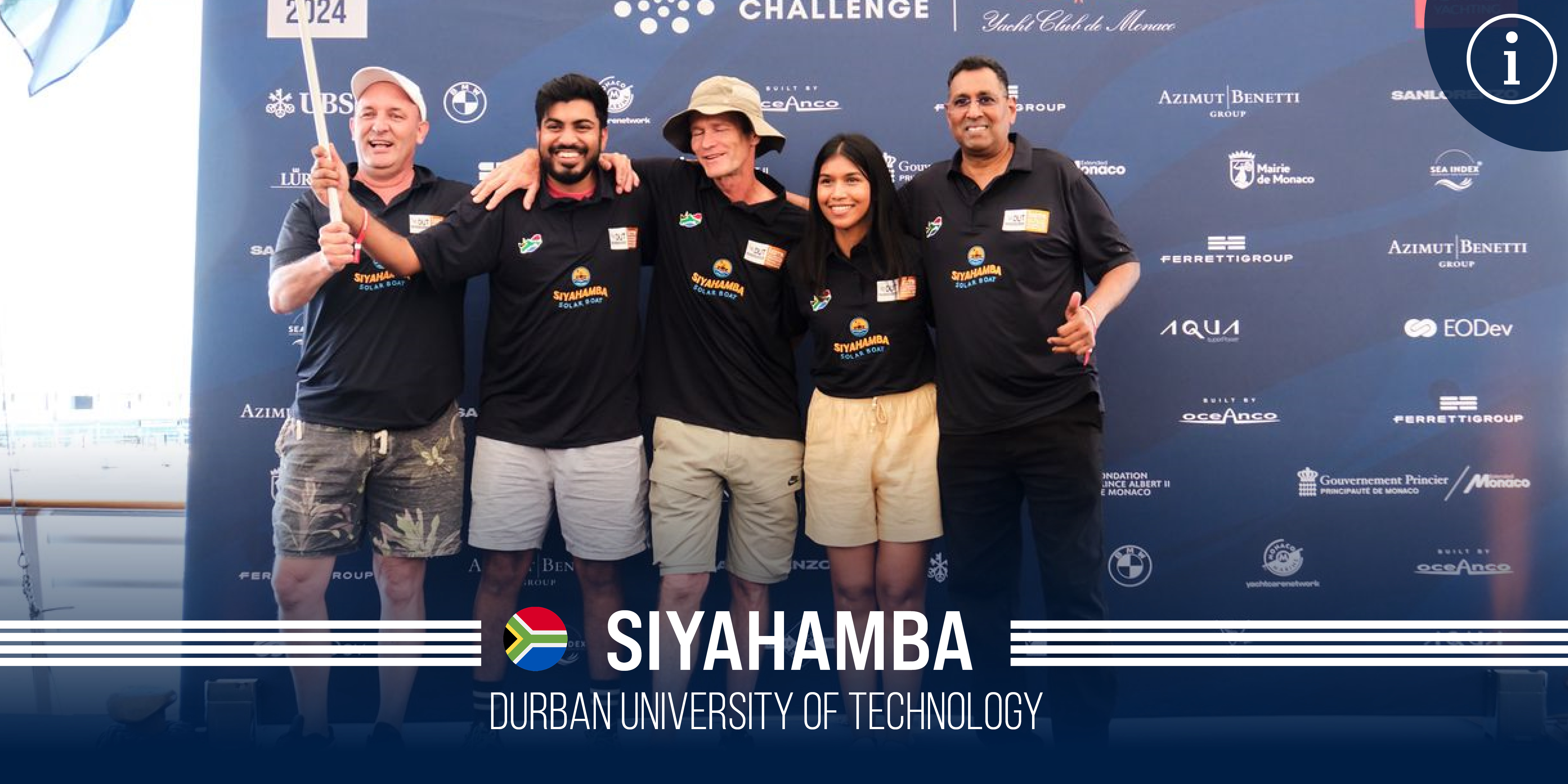
The SiyaHamba team is based at the Physics Department in the Faculty of Applied Sciences at the Durban University of Technology. It assists SMEs and industrial clients in research and development and the prototyping of innovative products, energy auditing and measurement and verification of implemented energy saving initiatives within the energy sector. The team conducts research in various energy focus areas, including the use of hydrogen in alternative transport such as water bound crafts. Preparing for the MEBC provides training and engagement opportunities for local and industrial communities. The team consists of honours, master students and university interns.

Project

This year represents DUT’s first ever attempt with hydrogen technology at a competitive level. The institute has not done this type of applied research before and will make use of the opportunity to expand its research and development capabilities. This water vessel will make use of the H2Sys range extender unit, supplied by hydrogen gas via supplied cylinders. The units’ DC/DC converter will be included to interact with the power management unit and the motor. The objective is to place emphasis on the design of the overall construction and look of the boat, taking aerodynamics and hydrodynamics into account.
Edit Content

tAMEO ENERGY

École nationale supérieure de techniques avancées Paris
tameo

TEAM

Taméo ENSTA enters its 5th participation in the Monaco Energy Boat Challenge with the same energy and passion that have driven the team since its creation. Every year, we welcome many new members eager to innovate and take on ambitious technical challenges. We are committed to passing on the experience gained in previous editions, sharing our skills, and upholding the values that define Taméo: teamwork, creativitvy, technical excellence, and a strong commitment to sustainable navigation.

Project

After securing an encouraging 5th place in last year’s Monaco Energy Boat Challenge, the Taméo ENSTA team is aiming even higher this year with the clear ambition to reach the podium. Building on the experience gained in previous editions, we are developing a significantly improved Energy Class boat featuring a new, more efficient battery–motor combination. We are keeping our signature triple-pod propulsion system, which has proven both reliable and highly manoeuvrable, while optimising its performance for this new season. In parallel, we are redesigning the fuselage to enhance the boat’s aerodynamics and overall aesthetics, ensuring better efficiency and a more refined, streamlined look. Driven by innovation and continuous improvement, the team is fully committed to delivering a faster, smarter, and more competitive boat for the upcoming challenge.
Edit Content

TEAM SEA SAKTHI

Kumaraguru College of Technology

TEAM

Team Sea Sakthi is a student-led initiative established in 2022 with a vision to strengthen India’s presence in global sustainability-driven platforms. As the nation’s inaugural and exclusive team to participate in the prestigious Monaco Energy Boat Challenge, the team reflects ambition, perseverance, and a commitment to purposeful innovation. Through this international platform, Team Sea Sakthi showcases India’s pioneering engineering capability to the global audience. The team stands as a testament to the power of student-led initiatives in driving meaningful change and contributing to a more sustainable and responsible future.

Project

This year, Team Sea Sakthi aims to develop its electric catamaran by refining critical systems based on insights gained from previous iterations. A key emphasis is placed on strengthening the in-house electric propulsion system through focused performance optimisation, improved durability, and tighter system integration to ensure consistent, high-efficiency operation under demanding competitive marine conditions. Alongside drivetrain advancements, the catamaran’s cockpit structure is being upgraded through the integration of a new bio-mass–based fibre within the composite layup, enhancing durability and structural performance while maintaining lightweight characteristics. These targeted developments reflect a balanced approach to innovation and sustainability, enabling Team Sea Sakthi to progress through data-driven design while reinforcing its presence on an international platform for responsible marine engineering.
Edit Content

uNIVERSITY OF BOLOGNA ARGONAUTS TEAM

Alma Mater Studiorum – University of Bologna

TEAM

UniBoAT is an educational project involving a team of students from different academic backgrounds, with the goal of building a high-efficiency, clean-energy racing catamaran that competes in the Monaco Energy Boat Challenge. To date, the boat has won three consecutive editions in the Energy class. In 2025, alongside winning the Energy Class, the team has also taken first place in several Tech Talks. In this way, UniBoAT opens career pathways in the automotive and business sectors for the students. Many former team members who have sailed with us are now employed by leading companies at both regional and national levels.

Project

Coming from 4 wins of the Energy Class in the last 5 editions of the Monaco Energy Boat Challenge and an extraordinary 2025 season, the objective for the UniBoAT team is clear, we want to repeat our success. We also want to innovate and bring something that is new, and more performance and clean energy driven, that’s why we are developing a dual energy source system, comprising of a custom battery pack and a hydrogen system. Also developing a fully custom DCDC to implement the fuel cell into the powertrain system. Our dream would be to win the Energy Class again with this different system. However, our clear aim is we aim to win the endurance race to demonstrate how hydrogen can be used to reach top performances.

Edit Content

UPRM Racing

University of Puerto Rico at Mayaguez

TEAM

UPRM is looking forward to its first appearance at the MEBC. The main goal is to design and develop a reliable prototype that will successfully participate in all events of the Energy Class at the MEBC. The design centres on the development of modular components that facilitate shipping logistics and on-site assembly. The team seeks to optimise prototype performance for high efficiency at cruising speeds and maximum power transfer at high speeds through tailored propeller designs. Proper matching of the propeller response with hull drag and motor behaviour will enable optimisation of system performance at both cruising and high speeds. The team’s primary objective is to finish among the top 10 in the MEBC Energy Class ranking.

Project

The UPRM Racing Team was created in 2014 to increase the visibility of the College of Engineering. From 2016 to 2024, the team participated continuously in every edition of the Solar Splash competition held in the United States. In the last four editions of Solar Splash, the team twice achieved 1st and 2nd place in the overall rankings. Today, the team is made up of 20 students from the electrical, computer, and mechanical engineering departments at UPRM. The presence of members from all years of study allows for a natural balance between experience, knowledge, enthusiasm, and determination. The entire project is supervised by the team’s faculty advisor, while the most experienced members are mentored by the captain within a hierarchy of sub-teams. This mentoring structure, combined with an annual information session, promotes team continuity and long-term sustainability.

Edit Content

WANNSEA

Technische Universität Berlin

TEAM

We are a team of students from various degree programs at TU Berlin. Together, we are developing a boat based on sustainable propulsion methods. We plan to participate in the Monaco Energy Boat Challenge again this year in July 2026 in both the Energy Class and AI class. Sustainability has rarely been a consideration in boatbuilding, we want to change that! We are committed to using recycled and alternative building materials such as natural fibres and eco-friendly fibre composites, not only to protect the environment but also to increase the boat’s lightness.

Project

Our work combines innovative propulsion technologies with environmentally responsible boatbuilding. We design and build vessels using recycled and bio‑based materials such as natural fibres and ecological composites to reduce environmental impact while improving structural performance. Our current boat features a custom‑designed electric motor, a bespoke propeller, advanced battery storage, and integrated solar panels, all monitored through state‑of‑the‑art electronics and sensors. Our goals are to advance zero‑emission propulsion, promote recyclable construction methods, integrate intelligent navigation systems, and demonstrate that sustainable maritime innovation can deliver both high performance and real environmental impact. As a new material, we want to try to implement mycelium on our boat.